
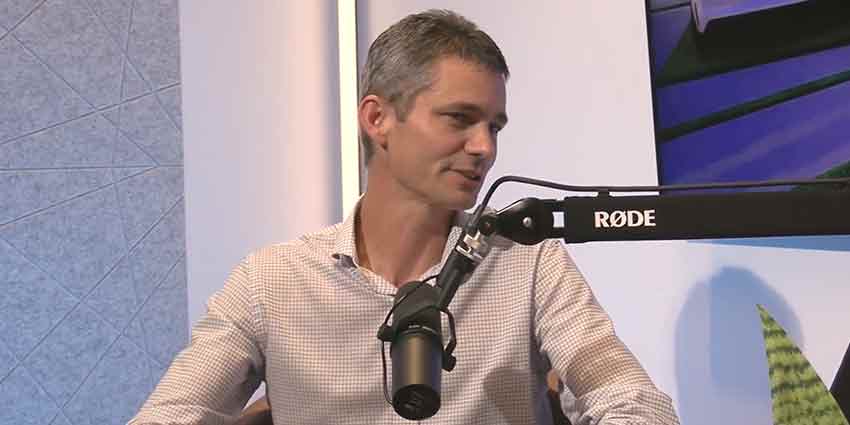
Starting a podcast has become one of the most effective ways for businesses to connect with customers, establish credibility, and share valuable expertise. From small local companies to large national brands, businesses across nearly every industry are using podcasts to educate audiences and strengthen relationships.
However, launching a podcast is only the first step. The businesses that see the greatest results are those that approach podcasting with a clear strategy and remain consistent over time.
These business podcast tips can help you build a show that provides value to your audience while supporting your company’s long-term marketing goals.
Know Who You’re Talking To
Before recording the first episode, identify exactly who your audience is.
Ask yourself:
- What problems do they have?
- What questions do they ask most often?
- What information would they find valuable?
- What would encourage them to come back for another episode?
A podcast that tries to appeal to everyone usually connects with very few people. Instead, focus on serving a specific audience with useful, relevant content.
When listeners feel like you are speaking directly to them, they are much more likely to subscribe and return for future episodes.
Plan Your Episodes
Many new podcasters simply turn on the microphone and start talking. While spontaneous conversations can work, having a basic outline keeps each episode focused and easier for listeners to follow.
Create a simple structure:
- Introduction
- Main discussion
- Key takeaways
- Call to action
Planning also helps reduce editing time because the conversation stays on track.
Consistency Builds an Audience
One of the biggest mistakes businesses make is releasing several episodes and then disappearing for months. Podcast audiences appreciate consistency.
Whether you publish weekly, biweekly, or monthly, choose a schedule you can realistically maintain.
Regular publishing helps listeners know when to expect new content while also giving search platforms more opportunities to recommend your episodes.
According to Spotify for Creators, consistency is one of the key factors in growing and retaining a podcast audience over time.
Invest in Quality Audio and Video
People may forgive an occasional mistake in conversation, but poor audio quality often causes listeners to stop watching or listening altogether.
Professional microphones, proper lighting, multiple camera angles, and clean editing create a better experience that reflects positively on your business.
If you are recording a video podcast, your visual presentation is just as important as your audio.
A professional studio provides:
- Broadcast-quality sound
- Professional lighting
- Multiple camera options
- Clean backgrounds
- Reliable recording equipment
The result is content that feels polished while allowing you to focus on the conversation.
Invite Guests Who Bring Value
Guest interviews introduce fresh perspectives and often expose your podcast to new audiences.
Instead of choosing guests solely because they are well-known, invite people who can educate, inspire, or solve problems for your listeners.
Ask thoughtful questions and encourage guests to share stories, experiences, and practical advice rather than giving short promotional answers.
Great conversations are what keep audiences engaged.
Repurpose Every Episode
A one-hour podcast should not remain just a one-hour podcast. One recording session can generate weeks of marketing content.
Consider creating:
- Short social media clips
- Instagram Reels
- YouTube Shorts
- Quote graphics
- Blog articles
- Email newsletters
- Behind-the-scenes photos
Repurposing your content allows you to reach people who may never listen to an entire episode but still become interested in your business.
Many successful companies spend as much time promoting each episode as they do recording it.
Don’t Forget the Call to Action
Every episode should end by telling listeners what to do next. Examples include:
- Visit your website.
- Subscribe to the podcast.
- Leave a review.
- Schedule a consultation.
- Download a free resource.
- Contact your business.
Without a clear call to action, even highly engaged listeners may never take the next step.
Record in a Professional Environment
While many podcasts begin in home offices, recording in a professional studio offers several advantages.
A dedicated studio provides consistent audio, controlled lighting, professional equipment, and fewer distractions. It also creates a better experience for guests, making them feel more comfortable and confident on camera.
At OASIS Studios in Orlando, businesses can record professional podcasts using studio-quality cameras, broadcast-quality microphones, professional lighting, teleprompters, and expert production support. Whether you are creating your first episode or your hundredth, recording in a professional environment helps ensure every episode reflects the quality of your brand.
Final Thoughts
Podcasting is more than simply recording conversations. It is an opportunity to educate your audience, build trust, and demonstrate your expertise in a way that few other marketing tools can.
By understanding your audience, publishing consistently, investing in quality production, inviting valuable guests, and repurposing every episode into additional content, your podcast can become a long-term asset that continues attracting listeners and potential customers for years to come.
The most successful business podcasts aren’t necessarily the ones with the biggest budgets. They’re the ones that consistently provide valuable content and build meaningful relationships with their audience.